Cesspool to Septic Conversion in Volcano, HI
Replacing a cesspool with a permitted septic system, designed for your lava-rock lot and the state deadline. A straight walkthrough of options and cost before anything is dug.
Cesspool Conversion in Volcano
Hawaii has set a deadline for every cesspool in the state to be converted or closed, and nowhere does that land harder than East Hawaii, where whole subdivisions were built on cesspools drilled into the lava. A conversion means closing the pit and installing a permitted individual wastewater system in its place: typically a septic tank with a leach field or seepage bed, or an aerobic treatment unit where the lot is too small or too wet for a conventional field. We handle cesspool-to-septic conversions across Hilo, Puna and the Hamakua coast, from the site evaluation and the design that the Department of Health requires through the excavation, the tank and field installation, and the final inspection. Lava changes everything about this work. There is little or no soil, so most fields here are built on imported fill, and a lot that looks flat and easy may sit on a lava tube or on pahoehoe that will not break without a hammer. We look at your lot first, tell you which system actually fits it, and give you a real number before anything is dug.
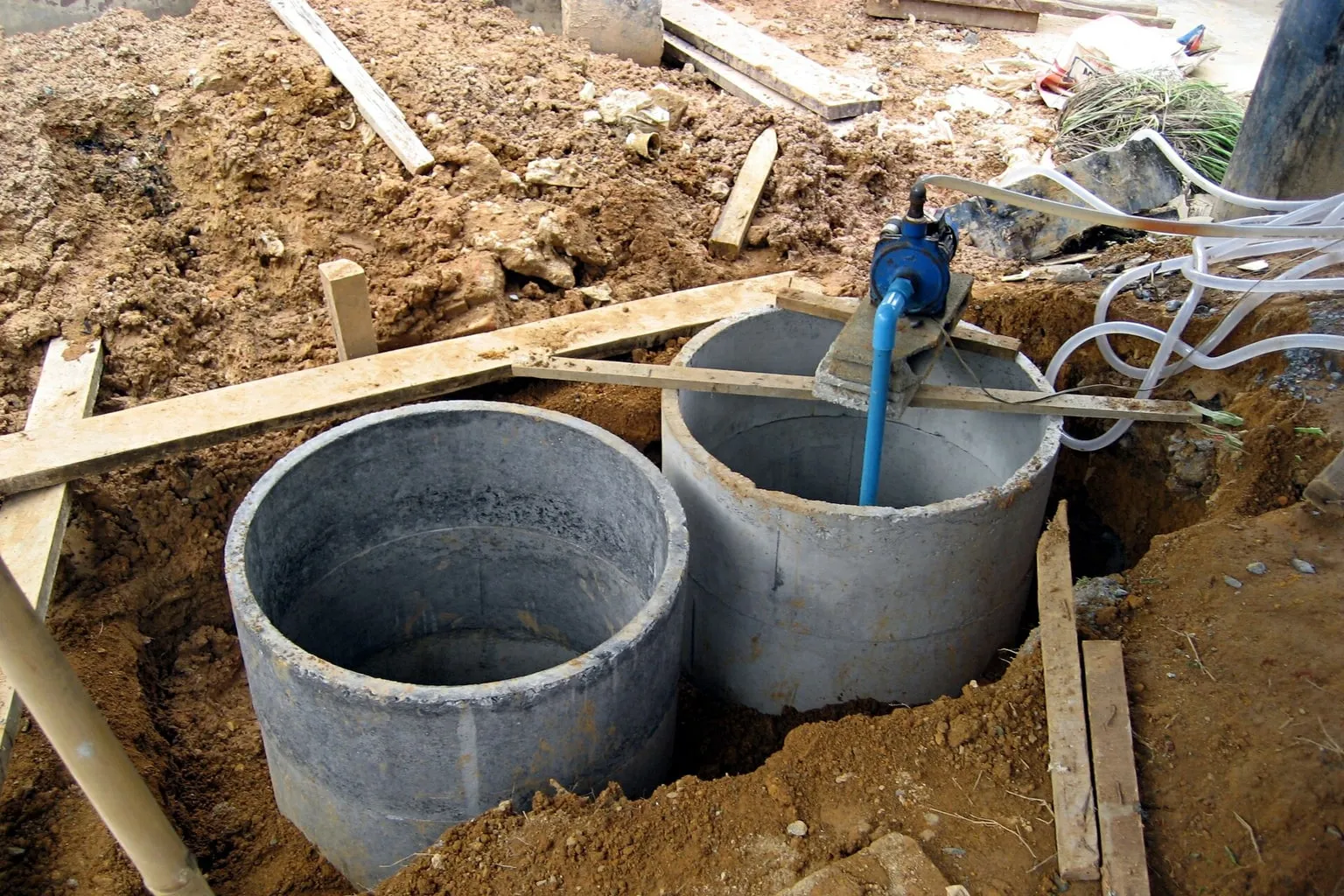
Cesspool and septic service in Volcano
Volcano is the village at the top of Highway 11, just under 4,000 feet at the gate of Hawaii Volcanoes National Park, where the rainforest is thick with ohia and hapuu and the nights are cold enough for a fireplace. It is a village of artists, park staff and retirees, and it is one of the island’s vacation-rental capitals: the cottages and B&Bs along Old Volcano Road and in Volcano Golf Course, Mauna Loa Estates and Royal Hawaiian Estates fill up with park visitors week after week. There is no sewer. Every home and rental is on catchment and on a cesspool or a septic system, in rock that is young and in places layered with volcanic ash and cinder, under rain that falls most days of the year. Vacation rentals load a system in bursts a family never would, a two-bedroom cottage sleeping six on a holiday weekend and sitting empty the week after, and that pattern is the number one reason a Volcano cesspool backs up with guests in the house. Elevation adds its own twist: the ground is cold and wet, and a system that sits unused in a part-time home can surprise an owner who arrives for the season. We pump, inspect, convert and repair systems throughout Volcano and the subdivisions around it. Tell us the subdivision and what the system is doing and we will quote it straight.
- Site evaluation and system recommendation for your lot and household
- Design and Department of Health permit handled for you
- Septic tank with leach field or seepage bed, or an aerobic treatment unit where needed
- Raised beds on imported fill for lots with no native soil
- Old cesspool pumped, closed and filled to code
- Final inspection and the paperwork a buyer or lender asks for
Need cesspool conversion elsewhere? See all of our Volcano services or cesspool conversion across East Hawaii.
Cesspool Conversion in Volcano
Tell us what is happening and we will call you back. Local Volcano service.
Areas We Cover in Volcano
In town or at the end of a cinder road: if it’s in or around Volcano, we come to your property.
- Volcano Village
- Old Volcano Road
- Volcano Golf Course subdivision
- Mauna Loa Estates
- Royal Hawaiian Estates
- Glenwood side
Common Cesspool & Septic Issues in Volcano
The cesspool and septic problems we see most around here, and how we handle them.
Vacation rentals that fill a pit in a weekend
A rental cottage that sleeps six on a holiday weekend puts a week of household flow into the cesspool in two days. Rentals here need pumping far more often than the owner’s own home would, and a backup with guests in the house is a bad review and a cleanup bill. We set rentals on a schedule tied to bookings.
Cold, wet ground at 4,000 feet
Volcano’s ground stays cold and saturated most of the year, and ash and cinder layers drain unevenly. Cesspools refill from the ground and sludge breaks down slowly in the cold. Regular pumping and an honest read of the refill rate keep a pit ahead of the weather.
Part-time homes that sit idle
Many Volcano homes are second homes used for a season. The pit sits idle, then takes a full house. We check and pump before the season starts and set a schedule based on how many weeks a year the home is actually loaded.
Cesspool Conversion in Volcano: FAQs
How often should a vacation rental in Volcano have its cesspool pumped?
Do you cover Volcano Golf Course, Mauna Loa Estates and Royal Hawaiian Estates?
Does the cold at this elevation affect a cesspool or septic system?
Do I have to convert my cesspool now?
What does a conversion cost in Puna or Hilo?
Can I keep using my cesspool while the septic system is built?
Will the conversion work with my rainwater catchment?
Also Serving Near Volcano
Cesspool Conversion in Mountain View, HI
cesspool conversion and full cesspool and septic service in Mountain View.
View Mountain View →Cesspool Conversion in Kurtistown, HI
cesspool conversion and full cesspool and septic service in Kurtistown.
View Kurtistown →Cesspool Conversion in Hilo, HI
cesspool conversion and full cesspool and septic service in Hilo.
View Hilo →Need Cesspool Conversion in Volcano?
Call now for a fast quote. We come to your property, and backups and emergencies get priority.