Cesspool to Septic Conversion in Hilo, HI
Replacing a cesspool with a permitted septic system, designed for your lava-rock lot and the state deadline. A straight walkthrough of options and cost before anything is dug.
Cesspool Conversion in Hilo
Hawaii has set a deadline for every cesspool in the state to be converted or closed, and nowhere does that land harder than East Hawaii, where whole subdivisions were built on cesspools drilled into the lava. A conversion means closing the pit and installing a permitted individual wastewater system in its place: typically a septic tank with a leach field or seepage bed, or an aerobic treatment unit where the lot is too small or too wet for a conventional field. We handle cesspool-to-septic conversions across Hilo, Puna and the Hamakua coast, from the site evaluation and the design that the Department of Health requires through the excavation, the tank and field installation, and the final inspection. Lava changes everything about this work. There is little or no soil, so most fields here are built on imported fill, and a lot that looks flat and easy may sit on a lava tube or on pahoehoe that will not break without a hammer. We look at your lot first, tell you which system actually fits it, and give you a real number before anything is dug.
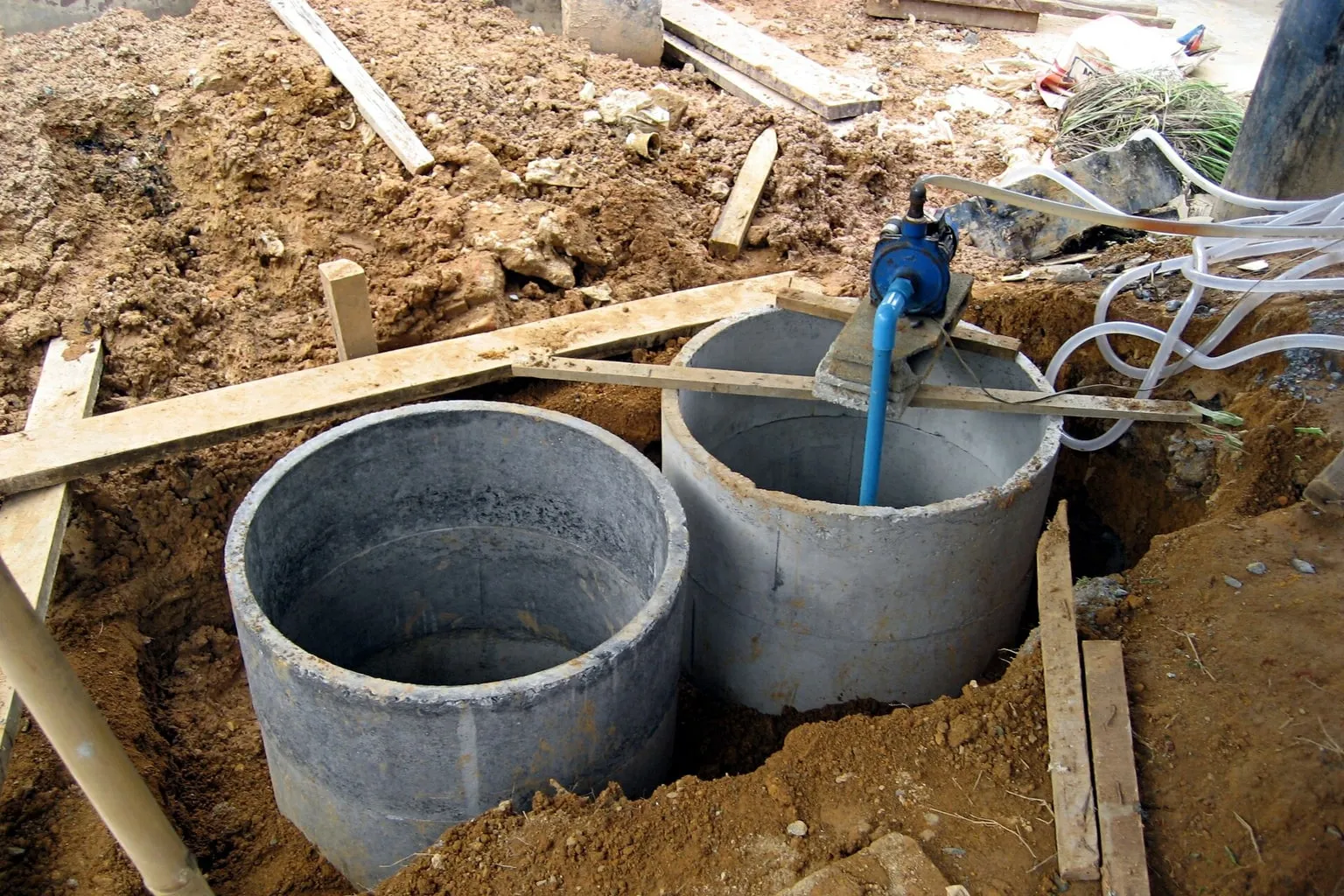
Cesspool and septic service in Hilo
Hilo is the county seat and the working heart of East Hawaii, wrapped around Hilo Bay between the Wailuku River and Keaukaha, with the whole Puna and Hamakua service area fanning out from its highways. Downtown, the Bayfront and the older grid around Waiakea are on county sewer, but step uphill into Kaumana, Ainako and the upper Waiakea Uka subdivisions, or out along the Puna side past Panaewa, and most homes are on a cesspool or a septic system of their own. Hilo is one of the wettest cities in the country, and that is the story of wastewater here: the ground is already full for weeks at a time, so a cesspool that drains fine in a dry stretch backs up after three days of rain, and a septic field on the Kaumana slope has to be built to shed water it did not ask for. Add the plantation-era houses with cesspools nobody has opened in decades, the student rentals near the university, the vacation rentals that fill up for Merrie Monarch week, and the steady run of home sales that each want a pump-out and an inspection, and there is plenty to do. We are based here and we work every part of town, from the bay up to the 2,000-foot line. Tell us the street and what the system is doing and you will get a straight answer and a real price.
- Site evaluation and system recommendation for your lot and household
- Design and Department of Health permit handled for you
- Septic tank with leach field or seepage bed, or an aerobic treatment unit where needed
- Raised beds on imported fill for lots with no native soil
- Old cesspool pumped, closed and filled to code
- Final inspection and the paperwork a buyer or lender asks for
Need cesspool conversion elsewhere? See all of our Hilo services or cesspool conversion across East Hawaii.
Cesspool Conversion in Hilo
Tell us what is happening and we will call you back. Local Hilo service.
Areas We Cover in Hilo
In town or at the end of a cinder road: if it’s in or around Hilo, we come to your property.
- Kaumana
- Ainako
- Waiakea Uka
- Keaukaha
- Panaewa
- Piihonua
Common Cesspool & Septic Issues in Hilo
The cesspool and septic problems we see most around here, and how we handle them.
Rain-driven backups above town
Kaumana and Ainako sit on a wet slope where the rock stays saturated for weeks. A cesspool up there can run fine all summer and then back up during a wet spell because the ground has nowhere left to put water. Pumping on schedule keeps a buffer in the pit; the refill rate we see while pumping tells you whether the rock is still draining at all.
Plantation-era homes with unopened cesspools
Older houses in Piihonua, Keaukaha and the upper Waiakea neighborhoods were built on cesspools that may not have been pumped since the previous owner. Lids end up under cinder, lawn or a lanai. We locate the pit, open it, pump it and tell you how much life it has, then mark the spot for next time.
Sales, rentals and the university
Hilo turns over a lot of houses, and nearly every sale now comes with a pump-and-inspect. Rentals near the university and vacation rentals that fill up for Merrie Monarch load a system in bursts a family never would. We inspect for closings and set rental systems on a schedule that matches how hard they actually get used.
Cesspool Conversion in Hilo: FAQs
Is my Hilo home on county sewer or a cesspool?
How often should a cesspool in Hilo be pumped?
Do you handle inspections for home sales in Hilo?
Do I have to convert my cesspool now?
What does a conversion cost in Puna or Hilo?
Can I keep using my cesspool while the septic system is built?
Will the conversion work with my rainwater catchment?
Also Serving Near Hilo
Cesspool Conversion in Keaau, HI
cesspool conversion and full cesspool and septic service in Keaau.
View Keaau →Cesspool Conversion in Papaikou, HI
cesspool conversion and full cesspool and septic service in Papaikou.
View Papaikou →Cesspool Conversion in Hawaiian Paradise Park, HI
cesspool conversion and full cesspool and septic service in Hawaiian Paradise Park.
View Hawaiian Paradise Park →Need Cesspool Conversion in Hilo?
Call now for a fast quote. We come to your property, and backups and emergencies get priority.