Cesspool to Septic Conversion in Papaikou, HI
Replacing a cesspool with a permitted septic system, designed for your lava-rock lot and the state deadline. A straight walkthrough of options and cost before anything is dug.
Cesspool Conversion in Papaikou
Hawaii has set a deadline for every cesspool in the state to be converted or closed, and nowhere does that land harder than East Hawaii, where whole subdivisions were built on cesspools drilled into the lava. A conversion means closing the pit and installing a permitted individual wastewater system in its place: typically a septic tank with a leach field or seepage bed, or an aerobic treatment unit where the lot is too small or too wet for a conventional field. We handle cesspool-to-septic conversions across Hilo, Puna and the Hamakua coast, from the site evaluation and the design that the Department of Health requires through the excavation, the tank and field installation, and the final inspection. Lava changes everything about this work. There is little or no soil, so most fields here are built on imported fill, and a lot that looks flat and easy may sit on a lava tube or on pahoehoe that will not break without a hammer. We look at your lot first, tell you which system actually fits it, and give you a real number before anything is dug.
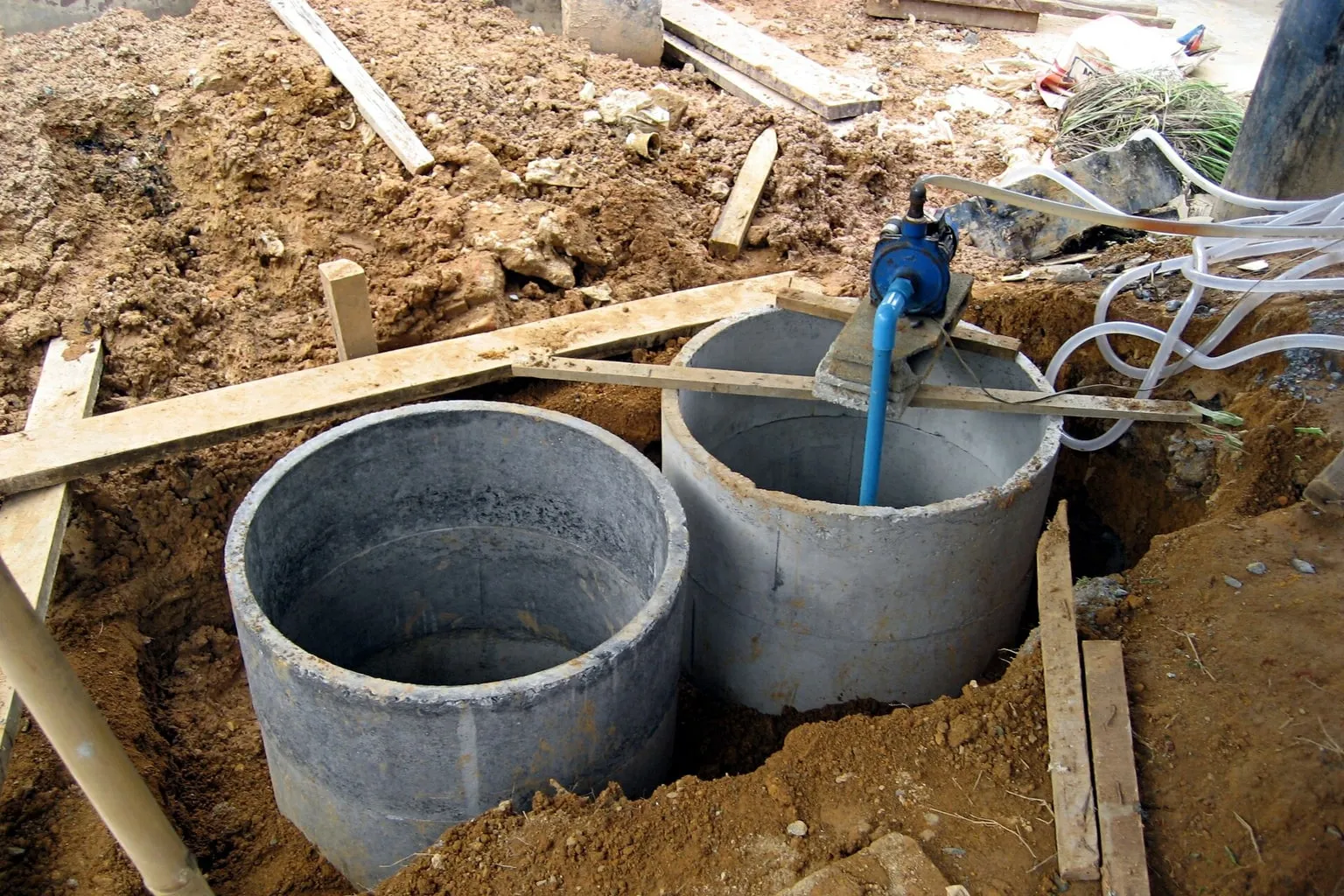
Cesspool and septic service in Papaikou
Papaikou is the first town north of Hilo on the Hamakua coast, a few minutes up Highway 19 where the road leaves the suburbs and the old sugar country begins. The town is a cluster of plantation camp houses and newer homes on the slope between the highway and the sea cliffs, with the Old Mamalahoa Highway scenic drive looping down through Onomea Bay and the botanical garden, and farm lots climbing mauka into the rain. Papaikou is unsewered. The camp-era houses sit on cesspools dug or drilled when the mill was running, the newer homes and the conversions are on septic, and the slope means many lots have the house above and the pit below, or the other way around, with a gulch running past. The Hamakua side is older ground than Puna, with more real soil over the rock, which helps a leach field but also means heavy clay in places that drains slowly in a wet winter. Because Papaikou is close to Hilo and has that mix of old charm and ocean views, it turns over steadily, and nearly every sale wants a pump-out and inspection. We pump, inspect, convert and repair systems in Papaikou and along the Onomea stretch regularly. Tell us the street and what the system is doing, and we will quote it straight.
- Site evaluation and system recommendation for your lot and household
- Design and Department of Health permit handled for you
- Septic tank with leach field or seepage bed, or an aerobic treatment unit where needed
- Raised beds on imported fill for lots with no native soil
- Old cesspool pumped, closed and filled to code
- Final inspection and the paperwork a buyer or lender asks for
Need cesspool conversion elsewhere? See all of our Papaikou services or cesspool conversion across East Hawaii.
Cesspool Conversion in Papaikou
Tell us what is happening and we will call you back. Local Papaikou service.
Areas We Cover in Papaikou
In town or at the end of a cinder road: if it’s in or around Papaikou, we come to your property.
- Papaikou town
- Onomea
- Old Mamalahoa Highway
- Mauka farm lots
- Highway 19 frontage
Common Cesspool & Septic Issues in Papaikou
The cesspool and septic problems we see most around here, and how we handle them.
Camp-era cesspools from the mill days
The plantation houses in Papaikou were built with cesspools that have outlasted the sugar company by decades. They are often shallow, often unmarked, and often full of sludge from generations of use. We locate, open, pump and assess them and tell you how much life they have left.
Slopes and gulches
Papaikou lots step down toward the cliffs, and a cesspool or a leach field below the house on a slope collects runoff from everything above it. Keeping surface water diverted and the pit pumped is the defense against a wet-winter backup.
Clay soil that drains slowly
Unlike Puna, Papaikou has real soil over the rock, and in places it is heavy clay. That helps a conversion design but means a leach field here can saturate during long wet spells. We design for the soil we find and size the field for the rain.
Cesspool Conversion in Papaikou: FAQs
Do you serve Papaikou and the Onomea stretch of Old Mamalahoa Highway?
Is a conversion easier on the Hamakua side than in Puna?
I am selling a plantation house in Papaikou. What should I do about the cesspool?
Do I have to convert my cesspool now?
What does a conversion cost in Puna or Hilo?
Can I keep using my cesspool while the septic system is built?
Will the conversion work with my rainwater catchment?
Also Serving Near Papaikou
Cesspool Conversion in Hilo, HI
cesspool conversion and full cesspool and septic service in Hilo.
View Hilo →Cesspool Conversion in Pepeekeo, HI
cesspool conversion and full cesspool and septic service in Pepeekeo.
View Pepeekeo →Cesspool Conversion in Honomu, HI
cesspool conversion and full cesspool and septic service in Honomu.
View Honomu →Need Cesspool Conversion in Papaikou?
Call now for a fast quote. We come to your property, and backups and emergencies get priority.