Septic Tank Pumping & Cleaning in Hawaiian Beaches, HI
Routine septic tank pumping and a full cleaning of the sludge and scum layers, with the baffles and lids checked while the tank is open.
Septic Pumping in Hawaiian Beaches
If your home is one of the newer builds or converted systems on this side of the island, you have a septic tank instead of a cesspool, and it needs pumping just the same. Solids settle to the bottom of the tank, grease and scum float to the top, and the clear liquid in between flows out to a leach field or seepage bed in the lava. Pumping removes the solids and scum before they can wash out and clog the field, which is the expensive part of the system and the hardest part to rebuild in rock. We pump and clean septic tanks across Hilo, Puna and the Hamakua coast. We locate and open the tank, pump it down completely, break up and remove the packed sludge rather than skimming the liquid, check the inlet and outlet baffles and the lids, and give you a realistic interval based on your tank size and household. Converted cesspool systems, vacation rentals around Volcano and Hilo, and homes bought with no service history are the ones that most often need the full cleaning rather than a quick pump.
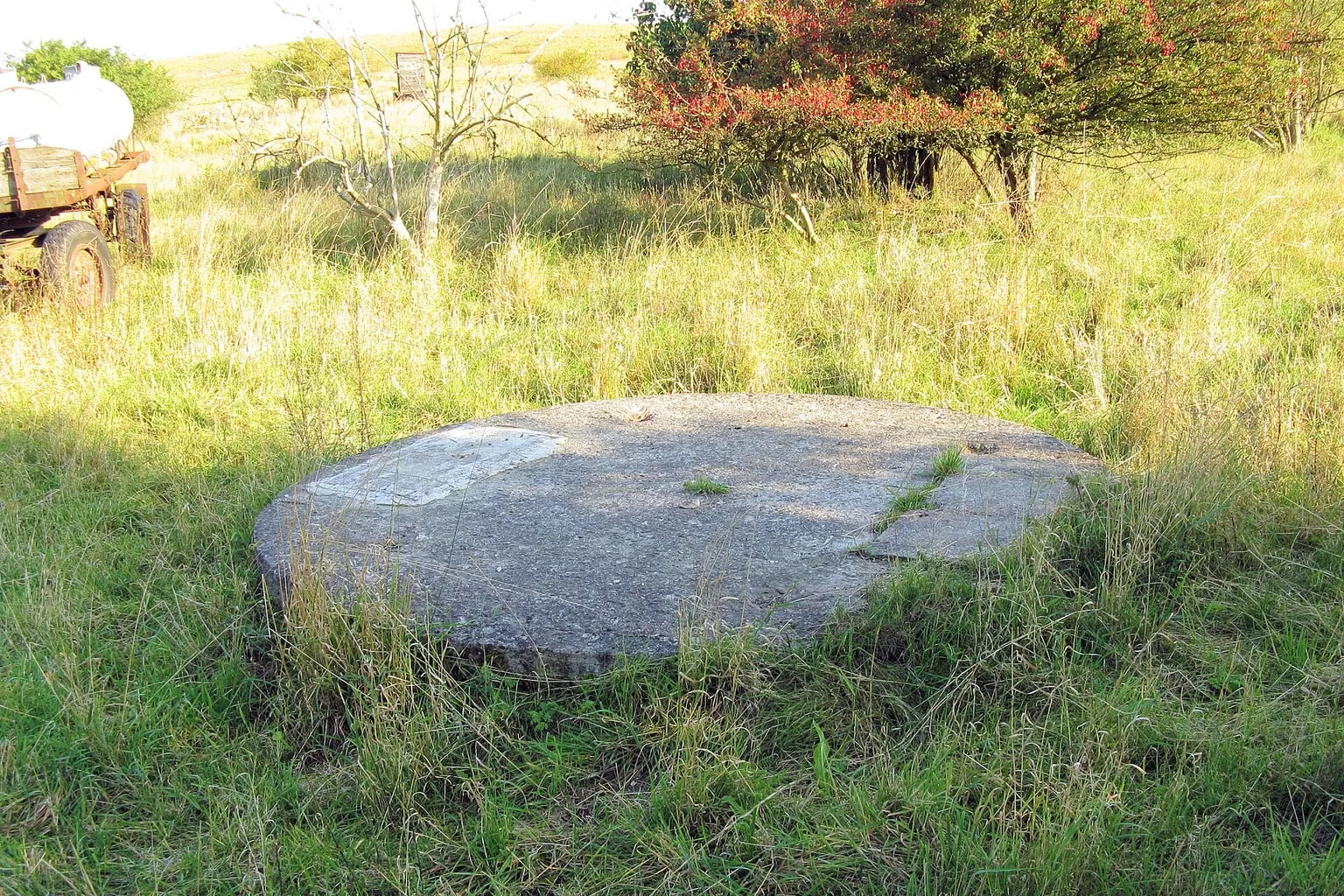
Cesspool and septic service in Hawaiian Beaches
Hawaiian Beaches sits on the Puna coast north of Pahoa, a subdivision of modest lots along Kahakai Boulevard on streets named for fish, with Hawaiian Shores next door and the ocean a short walk makai. It is low, close to sea level, and warm, with trade-wind rain instead of the upland deluges, and it is one of the more affordable neighborhoods in Puna, which means a steady flow of first-time buyers and a lot of long-held family homes. Nearly every house is on catchment, and nearly every house is on a cesspool or a septic system. The lots are smaller than the acre and three-acre subdivisions inland, so the house, the catchment tank, the cesspool and the neighbor’s cesspool all sit close together, and the coastal rock holds groundwater near the surface. That combination makes Hawaiian Beaches the place where a cesspool is most likely to fill from below, and where a conversion has to be designed carefully to fit the setbacks on a small lot, often with an aerobic treatment unit instead of a full leach field. We pump, inspect, convert and repair systems in Hawaiian Beaches and Hawaiian Shores regularly. Tell us the street and what the system is doing and we will quote it straight.
- Complete tank pump-out: solids, scum and liquid
- Packed sludge and hardened scum broken up and removed when needed
- Inlet and outlet baffles and lids checked while the tank is open
- Tank located and dug to the lids on homes with no records
- Realistic pumping schedule for your tank size and household
- Risers recommended where lids are buried deep in cinder or fill
Need septic pumping elsewhere? See all of our Hawaiian Beaches services or septic pumping across East Hawaii.
Septic Pumping in Hawaiian Beaches
Tell us what is happening and we will call you back. Local Hawaiian Beaches service.
Areas We Cover in Hawaiian Beaches
In town or at the end of a cinder road: if it’s in or around Hawaiian Beaches, we come to your property.
- Kahakai Boulevard
- The fish-named streets
- Hawaiian Shores
- Makai lots near the coast
- Mauka lots toward Highway 137
Common Cesspool & Septic Issues in Hawaiian Beaches
The cesspool and septic problems we see most around here, and how we handle them.
Cesspools near the water table
This close to sea level a cesspool can sit in groundwater. It fills from the rock, not just from the house, and sludge builds up in a pit that never fully drains. We watch the refill while pumping and tell you honestly how much the pit is doing for you and whether conversion is the real answer.
Small lots and tight setbacks
On a Hawaiian Beaches lot the catchment tank, the house, the pit and the property lines leave little room. Conversions here often mean an aerobic treatment unit, which needs less ground than a conventional field. We lay it out on site and quote the system that fits.
First-time buyers and family homes changing hands
Affordable coastal lots draw first-time owners, and long-held homes are passing to the next generation or to new buyers. Both want to know what the cesspool is doing and what the state deadline means. We inspect for closings and explain it in plain words.
Septic Pumping in Hawaiian Beaches: FAQs
Do you serve Hawaiian Beaches and Hawaiian Shores?
My cesspool is always wet even in dry weather. Why?
Can a cesspool on a small coastal lot be converted at all?
I converted from a cesspool a few years ago. Do I still need pumping?
What happens if I never pump my septic tank?
Do I need to find the tank before you come?
Also Serving Near Hawaiian Beaches
Septic Pumping in Pahoa, HI
septic pumping and full cesspool and septic service in Pahoa.
View Pahoa →Septic Pumping in Hawaiian Paradise Park, HI
septic pumping and full cesspool and septic service in Hawaiian Paradise Park.
View Hawaiian Paradise Park →Septic Pumping in Keaau, HI
septic pumping and full cesspool and septic service in Keaau.
View Keaau →Need Septic Pumping in Hawaiian Beaches?
Call now for a fast quote. We come to your property, and backups and emergencies get priority.