Cesspool & Septic Inspections in Hawaiian Paradise Park, HI
Buying or selling in East Hawaii? We pump, inspect and document the cesspool or septic system so nobody inherits a surprise.
Inspections in Hawaiian Paradise Park
Almost every home sale on this side of the island involves a cesspool or a septic system, and almost every buyer, agent and lender now wants it pumped and inspected before closing. We inspect cesspools and septic systems for buyers, sellers and owners across Hilo, Puna and the Hamakua coast. For a cesspool we locate and open the pit, pump it down so we can see the walls and the floor, watch how fast it refills, check the inlet and the cover, and note how close it sits to the catchment tank and the property lines. For a septic system we open the tank, measure sludge and scum, check baffles, lids and risers, run water from the house to see how it handles flow, and walk the leach field or seepage bed for wet ground or odor. You get a plain written summary of what you have, what condition it is in, and what it will need, so a buyer can decide with open eyes, a seller can hand over proof, and nobody is arguing about a wastewater system the week before closing.
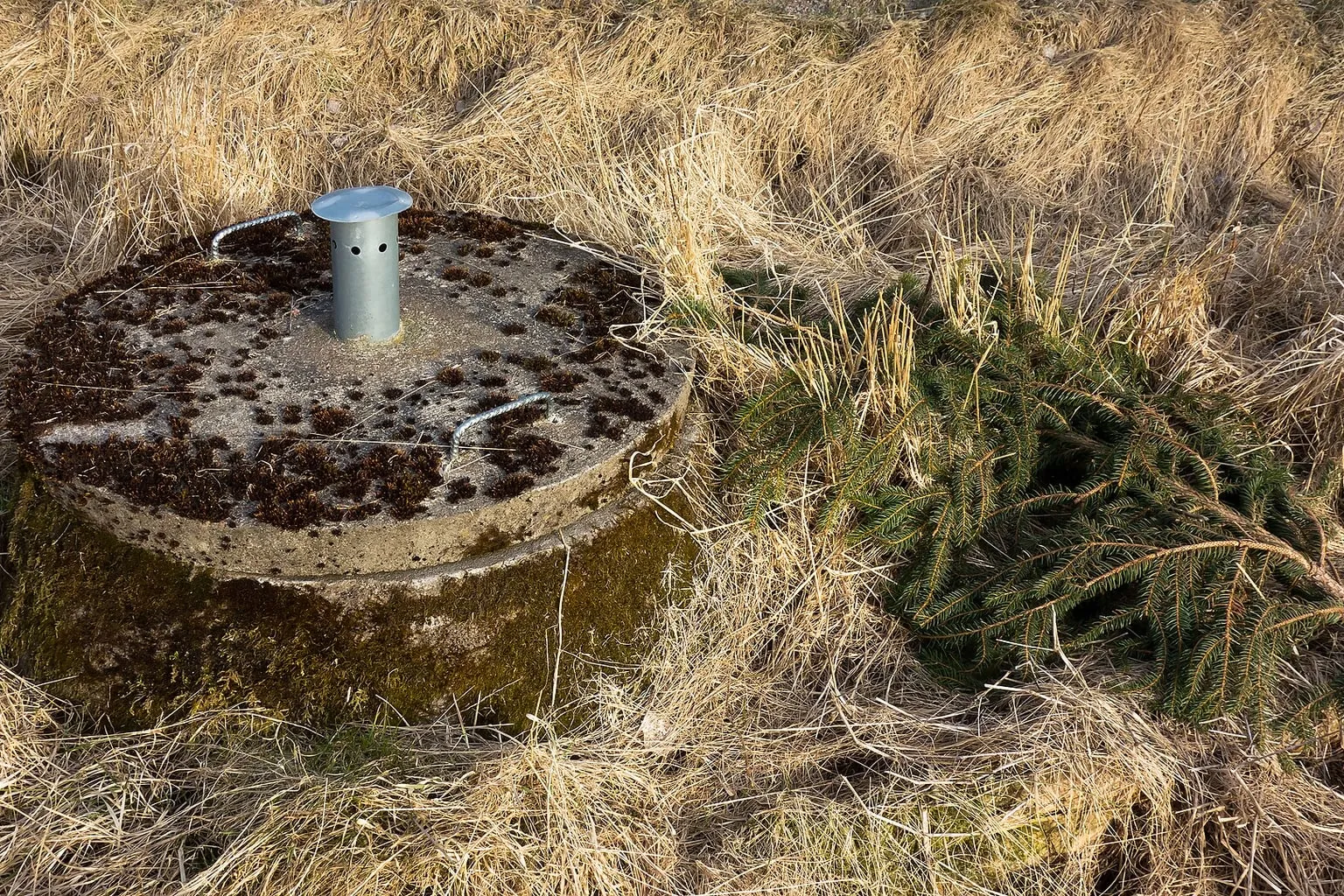
Cesspool and septic service in Hawaiian Paradise Park
Hawaiian Paradise Park, HPP to everyone who lives there, is one of the largest subdivisions in the state: a grid of one-acre lots running from Highway 130 down to the sea cliffs at Kaloli Point, with Paradise Drive, Makuu Drive and Kaloli Drive as its spines and dozens of numbered avenues between them. The roads are private and maintained by the owners’ association, nearly every house is on rainwater catchment, and nearly every house is on its own wastewater system: cesspools on the older homes, septic systems on the newer builds and the conversions. The land is flat pahoehoe and a‘a with little soil, and the lower avenues near the coast sit close enough to sea level that a cesspool there can take on groundwater and fill from below. HPP has grown fast with mainland buyers drawn to an acre of land near Hilo, which means a steady run of home sales, each wanting a pump-out and an inspection, and a lot of new owners who are learning what a cesspool is and what the state deadline means for it. We pump, inspect, convert and repair systems up and down the avenues every week. Tell us the avenue and the cross street and what the system is doing, and we will quote it straight.
- Inspections for buyers, sellers, agents and owners
- Cesspool pumped and the walls, floor and refill rate checked
- Septic tank opened, sludge and scum measured, baffles and lids checked
- Flow test run from the house to see how the system handles a load
- Leach field or seepage bed walked for wet ground and odor
- Clear written summary for the buyer, the seller and the lender
Need inspections elsewhere? See all of our Hawaiian Paradise Park services or inspections across East Hawaii.
Inspections in Hawaiian Paradise Park
Tell us what is happening and we will call you back. Local Hawaiian Paradise Park service.
Areas We Cover in Hawaiian Paradise Park
In town or at the end of a cinder road: if it’s in or around Hawaiian Paradise Park, we come to your property.
- Upper avenues near Highway 130
- Lower avenues near the coast
- Kaloli Point
- Paradise Drive
- Makuu Drive
- Beach Road
Common Cesspool & Septic Issues in Hawaiian Paradise Park
The cesspool and septic problems we see most around here, and how we handle them.
Groundwater in the lower avenues
Below Paradise Drive the lots get closer to sea level and the rock holds water. A cesspool there can refill from the ground, not just the house, and backs up after storms. We watch the refill rate during a pump-out and tell you honestly whether the pit is viable or whether conversion is the real fix.
Conversions on one-acre lava lots
An acre sounds like plenty of room until you place the house, the driveway, the catchment tank and the required setbacks. Most HPP conversions mean a raised leach bed on imported fill over the pahoehoe, or an aerobic unit on the tighter layouts. We walk the lot first and quote the system that actually fits.
Fast turnover and new owners
HPP changes hands constantly, and buyers from the mainland have usually never owned a cesspool. We inspect for closings, explain what is in the yard, and put the new owner on a pumping schedule that matches the household instead of a guess.
Inspections in Hawaiian Paradise Park: FAQs
Do you service all of Hawaiian Paradise Park, including the lower avenues?
How much room does a cesspool-to-septic conversion need on an HPP lot?
I have a catchment tank near the cesspool. Is that a problem?
Do I need a cesspool inspection when buying a home in Puna or Hilo?
Does the cesspool have to be converted to septic before the house can sell?
How long does an inspection take and what do I get?
Also Serving Near Hawaiian Paradise Park
Inspections in Keaau, HI
inspections and full cesspool and septic service in Keaau.
View Keaau →Inspections in Pahoa, HI
inspections and full cesspool and septic service in Pahoa.
View Pahoa →Inspections in Orchidland Estates, HI
inspections and full cesspool and septic service in Orchidland Estates.
View Orchidland Estates →Need Inspections in Hawaiian Paradise Park?
Call now for a fast quote. We come to your property, and backups and emergencies get priority.